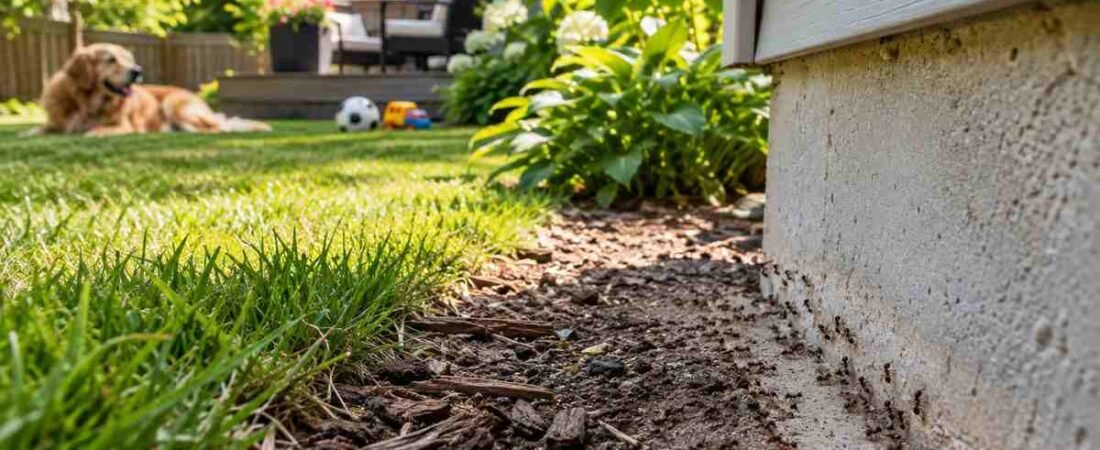
When ants appear near a highchair or mice get into a pet-food cupboard, the instinct is to remove them immediately. But a family home also contains curious hands, paws, toys and sleeping areas. An effective pest plan must consider where treatment happens and who might come into contact with it.
The first move is often ordinary prevention: securing food, reducing hiding places and identifying the pest. Products have a role in some situations, but the method should match the problem and the risks of the household.
Start With the Spots Children and Pets Actually Use
Walk through the kitchen at a child’s eye level. Notice crumbs beneath the highchair, cereal in an easy-to-open cupboard, pet treats on low shelves and spills behind the water bowl. Move food into sealed containers and wipe sticky surfaces. These changes reduce attractants without introducing a treatment product into a play area.
Next inspect sleeping and play spaces. Toys stored in cardboard boxes on a basement floor can hide moisture and pests. Raised shelves and washable containers may make routine inspection easier. Outdoors, check that bins close securely and do not leave pet food on the patio overnight.
Do not equate every insect in the garden with danger. Many are harmless or beneficial. Find out what is present before applying chemicals near a vegetable bed, sandbox or favourite pet path.
Ask Where Any Treatment Will Be Placed
A pest control technician in Barrie should ask about children, pets and regularly occupied rooms before planning an extermination service. Explain where a toddler crawls, whether a dog chews objects in the garage and whether family members spend time in the basement. These details can influence placement, product selection and access restrictions.
Ask whether non-chemical steps can solve the specific problem first. For rodents, that may include exclusion repairs and secure food storage alongside monitored trapping. For ants, species identification and reducing food or moisture sources may be essential. Do not let anyone promise that a product is safe simply because it is described as “natural.”
If treatment is recommended, request clear instructions for keeping children and pets away from the work area, including the required duration. Share those directions with caregivers rather than relying on memory. Ask the pest control technician to mark any devices that should not be touched or moved.
Understand Product Labels and Bait Stations
A bait station is not automatically childproof, and a household product is not automatically appropriate for every surface. Products must be used in the places and manner stated on their labels. Store unused containers in their original packaging, out of reach, not beside food or pet supplies.
Health Canada’s pesticide safety advice explains why registration, label directions and proper use matter. It also cautions against relying on untested homemade mixtures. Do not combine products or apply a chemical to bedding, toys or pet areas unless the label expressly allows it.
Ask the technician to explain whether a device contains a pesticide, is a monitoring trap or is a physical exclusion measure. Knowing the difference helps the household avoid touching or moving equipment that must remain in place for monitoring.
Use Low-Risk Household Changes That Can Be Maintained
Preventive work is most effective when it fits the family’s routine. Keep rubbish lids in place, repair a leaking tap, screen damaged vents and clear stored boxes from damp corners. Wipe food residue from recycling before it sits in the garage. None of these tasks guarantees a pest-free house, but each removes a specific reason pests may return.
Keep the yard tidy without removing every plant. Trim vegetation that directly touches siding so you can inspect the wall, and reduce standing water around containers. Look for wasp traffic near play areas from a distance; do not approach an active nest while children are nearby.
If a pet brings fleas inside, involve a veterinarian in the animal’s care. Treating the house without addressing the pet may leave the source unresolved, while applying household insecticide directly to an animal can be unsafe. Different pest problems need different specialists.
Create a Simple Family Response Plan
Decide who will report a pest sighting and where observations will be recorded. Photograph evidence without asking children to collect insects or touch droppings. Keep potentially contaminated rooms or items off-limits until they can be assessed, and explain the precautions calmly rather than creating alarm.
After an extermination service, follow the technician’s written cleaning and re-entry instructions. Do not shorten a waiting period because a treated surface looks dry. If you are unsure whether a toy, food surface or pet bowl needs cleaning, contact the provider with the exact location and treatment details.
Health Canada’s rat and mouse guide includes specific precautions for rodent droppings and baiting where children or pets may be present. A good Barrie household plan keeps useful pest controls in place while reducing avoidable exposure and preventing the conditions that drew the pests indoors.